Global Stem Cells Group and University of Santiago Biotech Lab Endorse Asia-Pacific Symposium
Global Stem Cells Group and the University of Santiago, Chile have endorsed an Asian-Pacific alliance for a regenerative medicine and stem cell symposium July 1-2 at the university’s Santiago campus and other stem cell protocol management initiatives. Through the alliance, the two organizations established a working agenda for collaborative initiatives in stem cell and regenerative medicine research and development for 2016 – 2020.
Global Stem Cells Group and the University of Santiago Biotechnology Lab have announced a mutual endorsement of an Asia-Pacific Symposium as other research and development initiatives for potential stem cell protocol management for 2016 – 2020.
 In 2015, University of Santiago officials and top Global Stem Cells Group executives began meeting to establish a working agenda and foster initiatives to promote stem cell research and development as a collaborative effort.
Professor Alejandra Moenen, Ph.D., who heads the University of Santiago’s Biochemistry and Molecular Biology Department, and a team of Ph.D.s from the university will join Global Stem Cells Group for their first joint venture, an Asia-Pacific Symposium on stem cell and regenerative medicine July 1-2, 2016. Moenen is an internationally prominent researcher whose work in biological research has been published in 50 major scientific journals worldwide.
The symposium will focus on regenerative medicine and stem cell applications to anti-aging and aesthetic medicine. University of Santiago faculty will lead the symposium, which will host qualified academic and medical groups from around the world who will present their scientific papers.
Global Stem Cells Group and the University of Santiago’s Biotechnology Department decided to join forces and create a collaborative agenda based on the synergy between the two organizations.
“Chile is a country where we have first world science, without being part of developed countries,” says Moenen. “Today 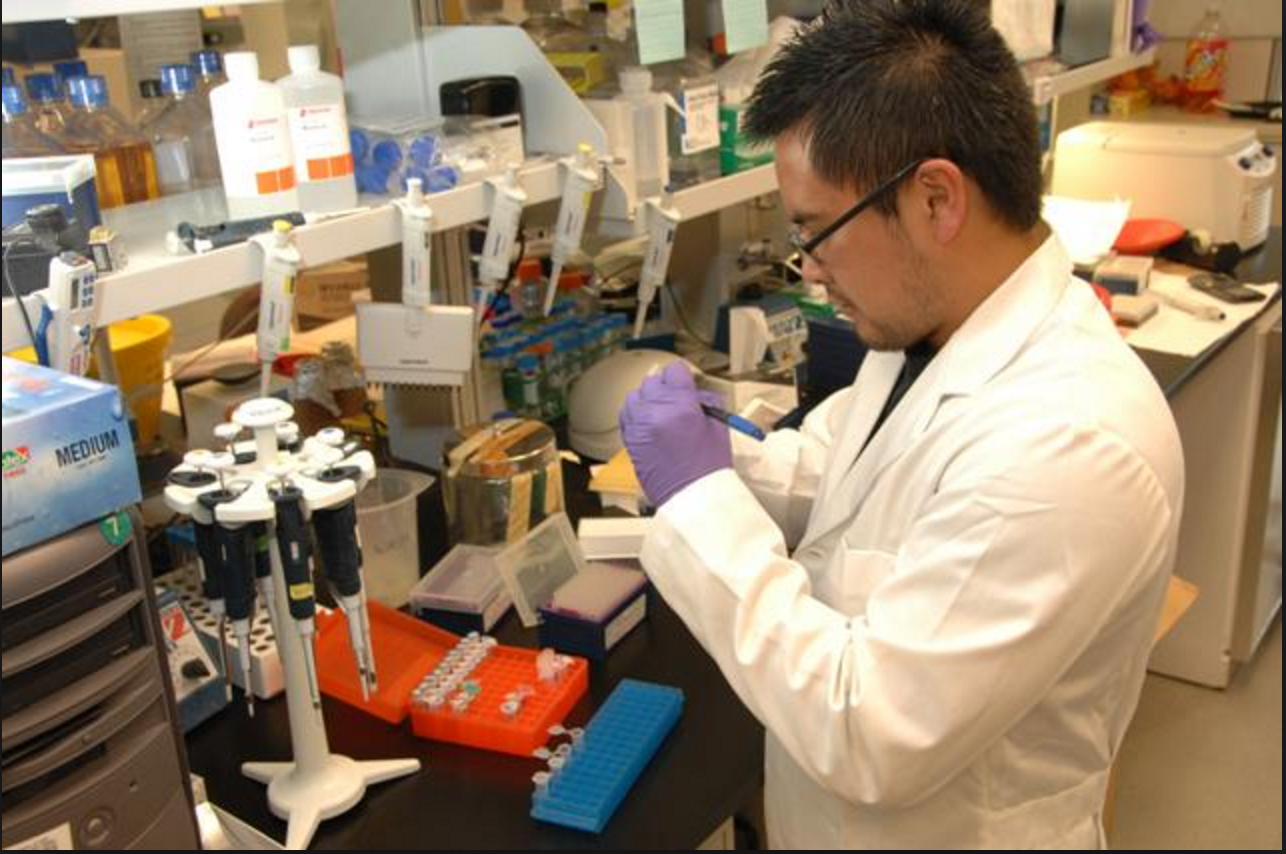 we are proud to start an alliance through which we can work hand in hand with Global Stem Cells Group and its international network, which has been able to harness science to improve the quality of life for people. “
Enrique Testart, M.D., Chief Medical Officer of Global Stem Cells Group, says he was honored to learn that a Chilean
University had initiated this new approach to collaborating with GSCG, which he believes will offer unparalleled opportunities for exchange, relationships with other institutions, and all the technology that Global Stem Cells Group can offer for studies and analysis in the area of regenerative medicine.
“A range of criteria and this innovative university are what stand out in this framework agreement,” Testart says. “It places us above any attempt to trivialize the issue.
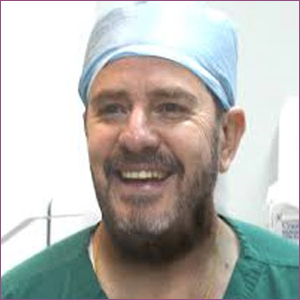
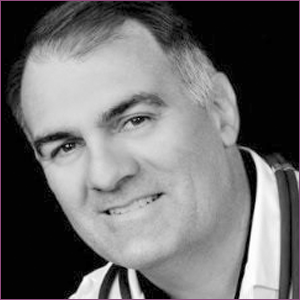
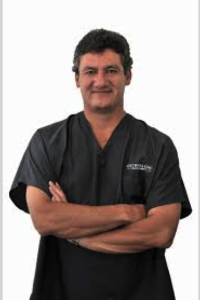
Enrique Testart, M.D.
“Stem cells are not a fad, there are those who have been working for two decades in this field, and therefore the union between this esteemed university and this young and talented biotech company is good news for the country, for the world and for science—everyone should applaud.”
A meeting to confirm the Asia-Pacific Symposium alliance was attended by Kevin Maisey, Ph.D., and Jorge LaPorte, Ph.D., both representing the Biology and Biochemistry Department of the University of Santiago. University Dean Silvia Ferrada Vergara has validated the agreement, which will be announces at the Asia-Pacific Conference in July.
For more information, visit the Global Stem Cells Group website, email bnovas(at)stemcellsgroup(dot)com, or call +1 305 560 5337.
About Global Stem Cell Group:
Global Stem Cells Group, Inc. is the parent company of six wholly owned operating companies dedicated entirely to stem cell research, training, products and solutions. Founded in 2012, the company combines dedicated researchers, physician and patient educators and solution providers with the shared goal of meeting the growing worldwide need for leading edge stem cell treatments and solutions. With a singular focus on this exciting new area of medical research, Global Stem Cells Group and its subsidiaries are uniquely positioned to become global leaders in cellular medicine.
Global Stem Cells Group’s corporate mission is to make the promise of stem cell medicine a reality for patients around the world. With each of GSCG’s six operating companies focused on a separate research-based mission, the result is a global network of state-of-the-art stem cell treatments.
About the University of Santiago:
Celebrating the 166th anniversary of its founding in 2016, the University of Santiago is one of the oldest and most traditional institutions of higher education in Chile. Offering 66 comprehensive undergraduate programs to more than 18,000 students, the university has seven faculties representing departments of Engineering, Humanities, Science, Business and Economics, Chemistry and Biology, Medical Sciences and Technology. The university us moving toward a new era of implementing improved and advanced master’s degree and doctoral degree programs, in addition to the numerous courses and postgraduate programs already in place in a variety of academic and research disciplines.
Since Chile’s 1981 higher education reform, the University of Santiago has concentrated its activities in the metropolitan area, with a particular focus on teaching, research and extension, carried out on the 34-hectare (84 acre) campus in the City of Santiago.
The University of Santiago is known for its participation in national and international projects and the contributions of its scholars to various fields of knowledge. A singular effort has been placed on linking the work of university researchers, who have a close relationship with the socio-economic needs of the country, to improve public health conditions in the country. The University of Santiago is one of Chile’s four Universities noted for successful fundraising efforts to support research and development.
###
To view this press release online, click here

 Research on cryopreservation of autologous stem cells is necessary for cell bank procedures in which stem cell expansion and use are not immediately needed. Cryopreservation allows for the long-term storage of hematopoietic stem cells (HSCs) and is the preferred storage technique for virtually all components intended for autologous HSC transplantation.
 The trials are designed to investigate the possible beneficial effect of freshly harvested bone marrow stem cell applications on knee osteoarthritis patients in the control group. Patients will receive standard treatment of bone marrow stem cells intravenously, and will be monitored and assessed for any changes in clinical condition.
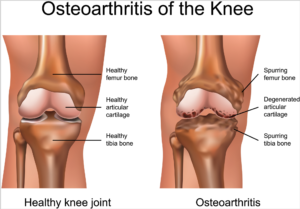 According to the
  fuses elements from Emcyte systems with the Global Stem cells Group SVF protocols.The kit can provide a low cost, rapid and simple alternative to traditional methods of isolating ASCs, particularly when smaller quantities are needed.
 its new stem cell treatment in Quito, Ecuador. Feb. 24-March 6, 2016 launch of a new stem cell treatment center in Quito, Ecuador. The new facility will provide advanced protocols and state-of-the-art techniques in cellular medicine to patients from around the world.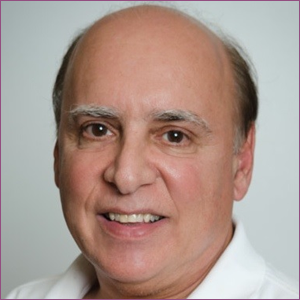
 caused by cancerous tumor cells. Complementary oncology utilizes GcMAF therapy to boost the patient’s immune system. Peer reviewed studies have proven that GcMAF Goleic therapy is an immune activator, and can be used as a natural cancer treatment. GcMAF Goleic inhibits blood supply to tumors, activates self-destruction of cancer cells, reverts cancer cells’ characteristics to normal healthy cells, reduces the metastatic potential of human cancer cells and increases energy production at the mitochondrial level.
 “Though our collaboration with Global Stem Cells Group, we are confident that our goal to make stem cell medicine a cornerstone of best medical practices worldwide is at hand, and we’re excited to be in the forefront of the future of regenerative medicine,” says GSCN Finance Manager Zunaid Ibne Raihan.
 MIAMI, Jan. 21, 2016—